Global Safety Certification Marks: A Buyer's Guide
- Share
- publisher
- DADISICK
- Issue Time
- Nov 28,2026
Summary
Explore global safety certification marks, including CE, UL, ETL, CSA, CCC, PSE, KC, UKCA, EAC and RCM. Learn what applies and how to verify certificates.
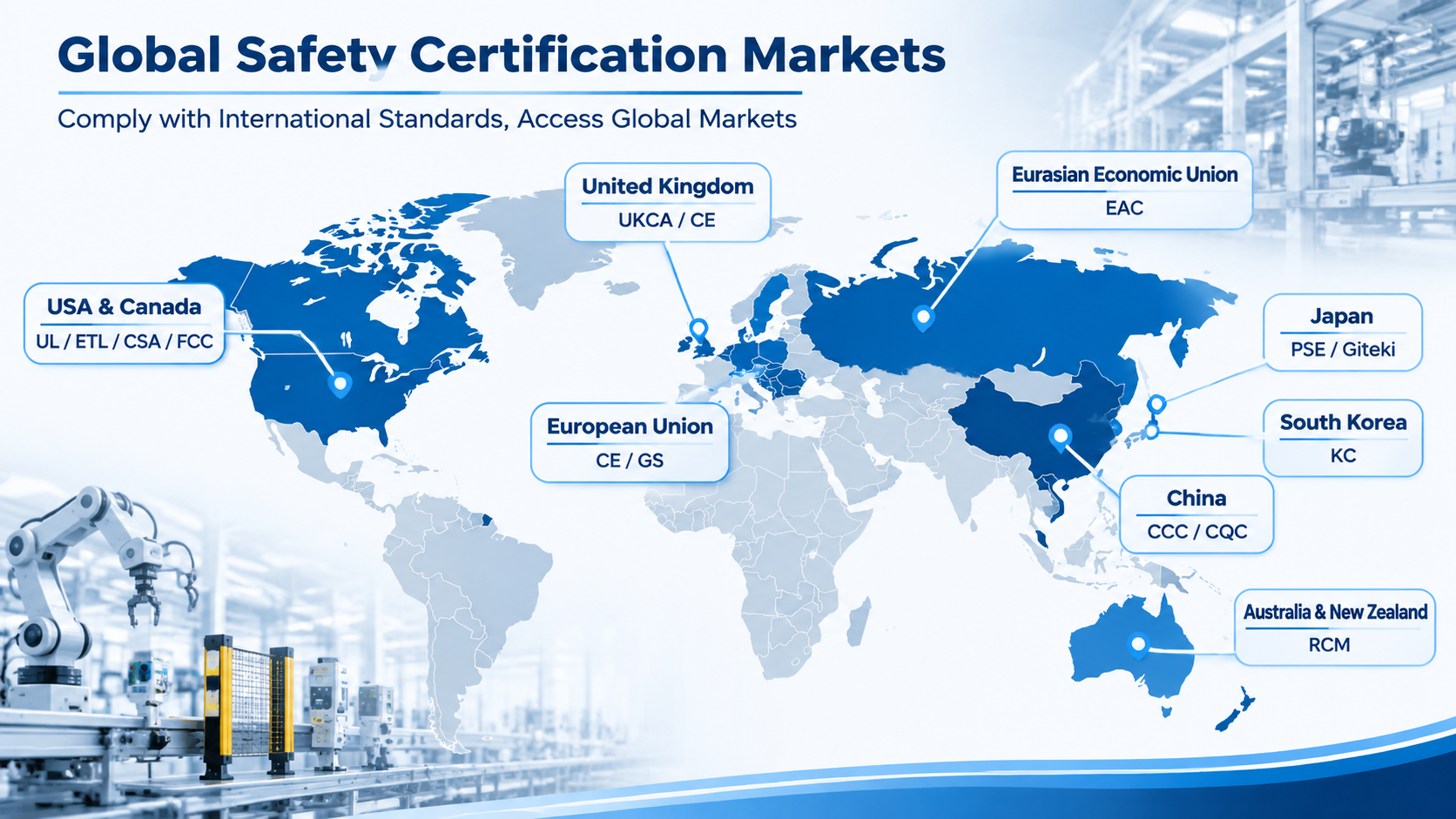
When sourcing industrial equipment and safety-related products from international suppliers, understanding product certification marks is an important part of the purchasing process. Different markets have different regulatory requirements, and a certification or compliance document accepted in one country may not be sufficient in another. This guide introduces major global certification marks, explains their general scope, and outlines how buyers can verify product compliance before purchasing.
For manufacturers, distributors, machine builders, and industrial buyers, the key is not simply to look for as many logos as possible. Instead, identify which regulations and standards apply to the specific product, where it will be used, and whether the supporting documentation covers the exact model being purchased.
1. What Are Product Safety Certification Marks?
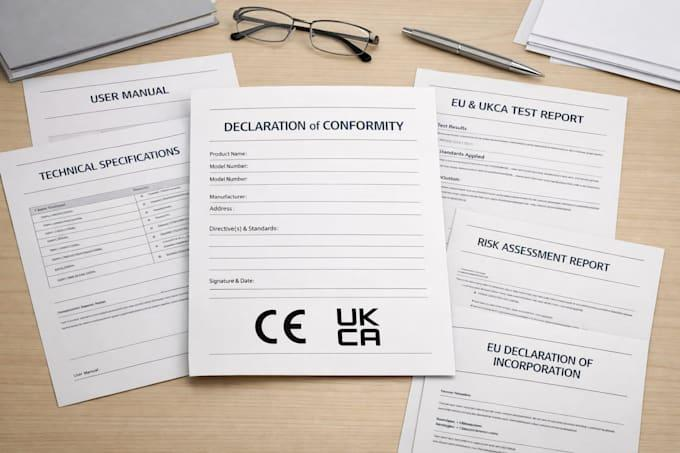
Product safety certification marks and compliance markings indicate that a product has been assessed, tested, or declared to meet certain regulatory or technical requirements. Their meaning depends on the applicable legislation, certification scheme, product category, and issuing organization.
Some marks are mandatory regulatory markings for products placed on a particular market. Others are voluntary certification marks that demonstrate conformity with specific safety or performance requirements. Certain documents relate to electromagnetic compatibility, radio equipment, environmental restrictions, or quality management rather than product safety itself.
It is important to distinguish between the following:
Markings required under applicable market regulations for covered products.
Marks issued by an authorized or recognized certification body after an assessment within a defined scope.
Documents recording test results against specified standards. A test report is not automatically a certificate or market authorization.
Documents such as ISO 9001 certificates that relate to an organization's management system, not automatic certification of every product it manufactures.
Documents addressing requirements such as restricted substances or material composition.
2. Major Safety and Compliance Marks by Market
Each market applies its own regulatory framework. The cards below group the most relevant marks by region; section 3 compares them side by side.
2.1 CE Marking
The CE marking indicates that the manufacturer declares the product conforms to the applicable European Union harmonisation legislation covering that product. It is a regulatory conformity marking, not a general quality mark.
Depending on the product and applicable legislation, the conformity assessment may involve the manufacturer alone or require a notified body. The manufacturer identifies the relevant legislation, carries out the assessment, prepares technical documentation, and issues the EU Declaration of Conformity where required. For industrial equipment, relevant legislation may include machinery, EMC, low voltage, radio equipment or product-specific rules.
- Check which EU legislation applies to the specific product.
- Review the EU Declaration of Conformity and the standards listed in it.
- Confirm that the product model and manufacturer details match the supplied product.
- Where a notified body is involved, verify its identification and scope.
2.2 GS Mark
The GS mark, meaning "Geprüfte Sicherheit" or "Tested Safety", is a voluntary German safety mark issued by an authorized certification body for products that meet the applicable requirements within the certification scope.
GS certification is often associated with product safety testing. It should not be confused with CE marking: CE is a regulatory conformity marking where applicable, while GS is a voluntary third-party safety mark. A GS mark does not replace the manufacturer's responsibility to meet applicable EU legal requirements.
2.3 UKCA Marking
UKCA (UK Conformity Assessed) is a product marking used for goods placed on the market in Great Britain under relevant UK product regulations. Its application depends on the product category and the applicable conformity assessment route.
The UK has introduced arrangements allowing CE marking to continue to be recognized for many product regulations in Great Britain. Northern Ireland follows a different framework; buyers supplying Northern Ireland should check whether CE marking or CE marking together with UKNI marking is relevant.
2.4 UL and NRTL Certification
In the United States, UL is a well-known independent safety science organization that provides testing and certification services. A UL Listed or UL Recognized mark applies only to products covered by the relevant certification and conditions of use.
OSHA recognizes Nationally Recognized Testing Laboratories (NRTLs). For certain electrical equipment used in workplaces, applicable OSHA requirements may call for approval by an NRTL.
- UL Listed: Generally applies to a complete product evaluated for its intended use.
- UL Recognized Component: Applies to a component intended to be incorporated into a larger product, subject to conditions of acceptability.
- NRTL certification: May be provided by UL or another OSHA-recognized NRTL within its recognized scope.
2.5 FCC Compliance
FCC requirements primarily concern radio-frequency emissions and the authorization of equipment that can emit or use radio-frequency energy. FCC compliance is not a general product safety certification.
Depending on the device, the route may involve Supplier's Declaration of Conformity (SDoC), certification, or other requirements under FCC rules. Intentional radiators are generally subject to certification, while certain unintentional radiators may follow an SDoC route. For industrial sensors, determine whether the product contains radio-frequency functions.
2.6 CSA Certification
CSA is a recognized standards and certification organization in Canada and other markets. CSA certification marks indicate that a product has been evaluated under the applicable certification program and standards.
For electrical products, buyers should check whether the certification is accepted for the intended jurisdiction and application. A certification mark's meaning depends on the specific product category and certification scope.
2.7 CCC Mark
The China Compulsory Certification (CCC) system applies to products included in China's current compulsory certification catalogue and subject to the relevant implementation rules.
Not every industrial product or electronic component requires CCC certification. Buyers should check the current catalogue, product classification and applicable requirements before assuming a product must carry the CCC mark.
2.8 CQC and Other Voluntary Certifications
CQC certification is associated with China Quality Certification Centre programs. Depending on the product and scheme, it may provide voluntary certification or other conformity assessment services.
CQC certification should not be confused with CCC compulsory certification. Whether a CQC certificate is relevant or accepted depends on the product category, certification scheme and buyer's requirements.
2.9 PSE Mark
Japan's PSE marking system is established under the Electrical Appliances and Materials Safety Act (DENAN). It applies to designated categories of electrical products sold in Japan.
The system includes different product categories and conformity assessment obligations. Not all industrial sensors or automation components fall within the scope.
- Confirm whether the product is covered by the DENAN requirements.
- Identify the applicable product category and conformity assessment route.
- Check the required marking and documentation for the specific product.
2.10 Giteki Mark
The Giteki mark relates to compliance with Japan's Radio Act requirements for specified radio equipment. It is relevant to products with wireless communication or radio transmission functions.
For wireless sensors, communication modules and other radio equipment intended for Japan, buyers should check the applicable technical conformity requirements and authorization status.
2.11 KC Mark
The KC mark is used in South Korea's product safety and conformity assessment framework. Requirements vary by product category and may cover safety, EMC, radio equipment or other regulated areas.
Buyers should identify the applicable Korean regulations and determine whether the product requires safety certification, safety confirmation, supplier conformity declaration, or another assessment route.
2.12 EAC Mark
The EAC mark indicates conformity with applicable technical regulations of the Eurasian Economic Union (EAEU). It is used for products covered by relevant EAEU technical regulations when placed on the market in member states.
The conformity assessment route may involve a certificate or declaration of conformity, depending on the product and technical regulation. Check the product's classification and the scope of the supporting document.
2.13 RCM
The Regulatory Compliance Mark (RCM) is used in Australia and New Zealand for products subject to relevant electrical safety and EMC requirements, as well as applicable radio communications requirements.
The RCM is associated with supplier responsibility and compliance arrangements. Buyers should confirm the applicable regulatory requirements, supplier obligations and product records.
2.14 BIS Certification
The Bureau of Indian Standards (BIS) administers product certification schemes in India. Certain products are subject to mandatory certification or registration under applicable Indian regulations and quality control orders.
The requirement depends on the product category and current regulatory scope. Check whether the specific product is covered by a mandatory BIS scheme before relying on a BIS certificate.
2.15 INMETRO and ANATEL
INMETRO is associated with conformity assessment and certification requirements for specified product categories in Brazil. Whether certification is mandatory depends on the applicable Brazilian regulations and product scope.
ANATEL is Brazil's telecommunications regulator. Products with radio-frequency or telecommunications functions may require ANATEL approval before being marketed or used in Brazil.
3. Comparison of Major International Certification Marks
The following table provides a general overview of common marks and their typical areas of application. It is a starting point for market research, not a substitute for checking current regulations and product-specific requirements.
| Market | Mark / System | General Purpose | Key Point for Buyers |
|---|---|---|---|
| European Union | CE | Regulatory conformity marking for products covered by applicable EU legislation. | Check the applicable legislation and EU Declaration of Conformity. |
| Germany | GS | Voluntary third-party product safety mark. | Check the certification body and product scope. |
| Great Britain | UKCA | UK product conformity marking for applicable regulations. | Check current recognition of CE and the relevant UK rules. |
| United States | UL / NRTL | Product safety testing and certification within defined scopes. | Distinguish Listed products from Recognized components. |
| United States | FCC | Radio-frequency emissions and equipment authorization. | Not a general product safety certification. |
| Canada | CSA | Product testing and certification against applicable standards. | Confirm acceptance for the intended application and jurisdiction. |
| China | CCC | Mandatory certification for products in the applicable catalogue. | Not every industrial product is covered. |
| China | CQC | Certification services under applicable CQC schemes. | Do not confuse voluntary certification with CCC. |
| Japan | PSE | Electrical product safety requirements under DENAN. | Applies to designated product categories. |
| Japan | Giteki | Technical conformity for specified radio equipment. | Relevant to wireless and radio communication products. |
| South Korea | KC | Product safety, EMC, and radio-related conformity routes. | Requirements depend on product category. |
| EAEU | EAC | Conformity with applicable EAEU technical regulations. | Check the relevant regulation and certificate or declaration. |
| Australia / New Zealand | RCM | Electrical safety, EMC, and radio compliance arrangements. | Check supplier obligations and product records. |
| India | BIS | Product certification or registration under applicable schemes. | Mandatory status depends on the product category. |
| Brazil | INMETRO | Conformity assessment for specified product categories. | Check whether the product is within mandatory scope. |
| Brazil | ANATEL | Approval for applicable telecommunications and radio products. | Relevant to products with radio or telecom functions. |
4. How to Verify a Product Certificate
A certificate or compliance document should be reviewed carefully before it is accepted as evidence that a product meets the requirements of a target market. A logo on a brochure or product label is not enough to establish the exact scope of certification.

4.1 Six-Step Certificate Verification Process
Confirm the Certificate Holder
Check the legal name of the manufacturer or certificate holder. If the supplier's trading name differs from the name shown on the certificate, ask for clarification and supporting documentation.
Check the Exact Product Model
The product model or model family should be covered by the certificate. Similar product names do not automatically mean that different models are included.
Review the Applicable Standards
Read the standards and editions referenced in the document. Confirm they are relevant to the product type and intended application.
Identify the Issuing Organization
Check the name of the issuing laboratory or certification body. Verify its authorization and scope through the relevant official database.
Check Validity and Current Status
Review the issue date, expiry date and any conditions affecting validity. Some documents are valid only while specific configurations or manufacturing locations remain unchanged.
Understand What the Document Proves
A test report, certificate, declaration of conformity and management system certificate serve different purposes. Determine whether it is the type of evidence required by the regulation or customer specification.
4.2 Certificate Verification Checklist
- Is the manufacturer or certificate holder correctly identified?
- Does the certificate include the exact product model?
- Are the listed standards relevant to the intended application?
- Is the issuing organization authorized for the relevant scheme?
- Is the document current and valid where a validity period applies?
- Does the document cover the product configuration being purchased?
- Is this the correct type of document for the target market's requirements?
5. Certification Considerations for Industrial Safety Products
Industrial safety products are often installed as part of a larger machine or automated production system. Buyers should evaluate both the product's own conformity documentation and the requirements of the complete machine or safety function.
5.1 Safety Light Curtains
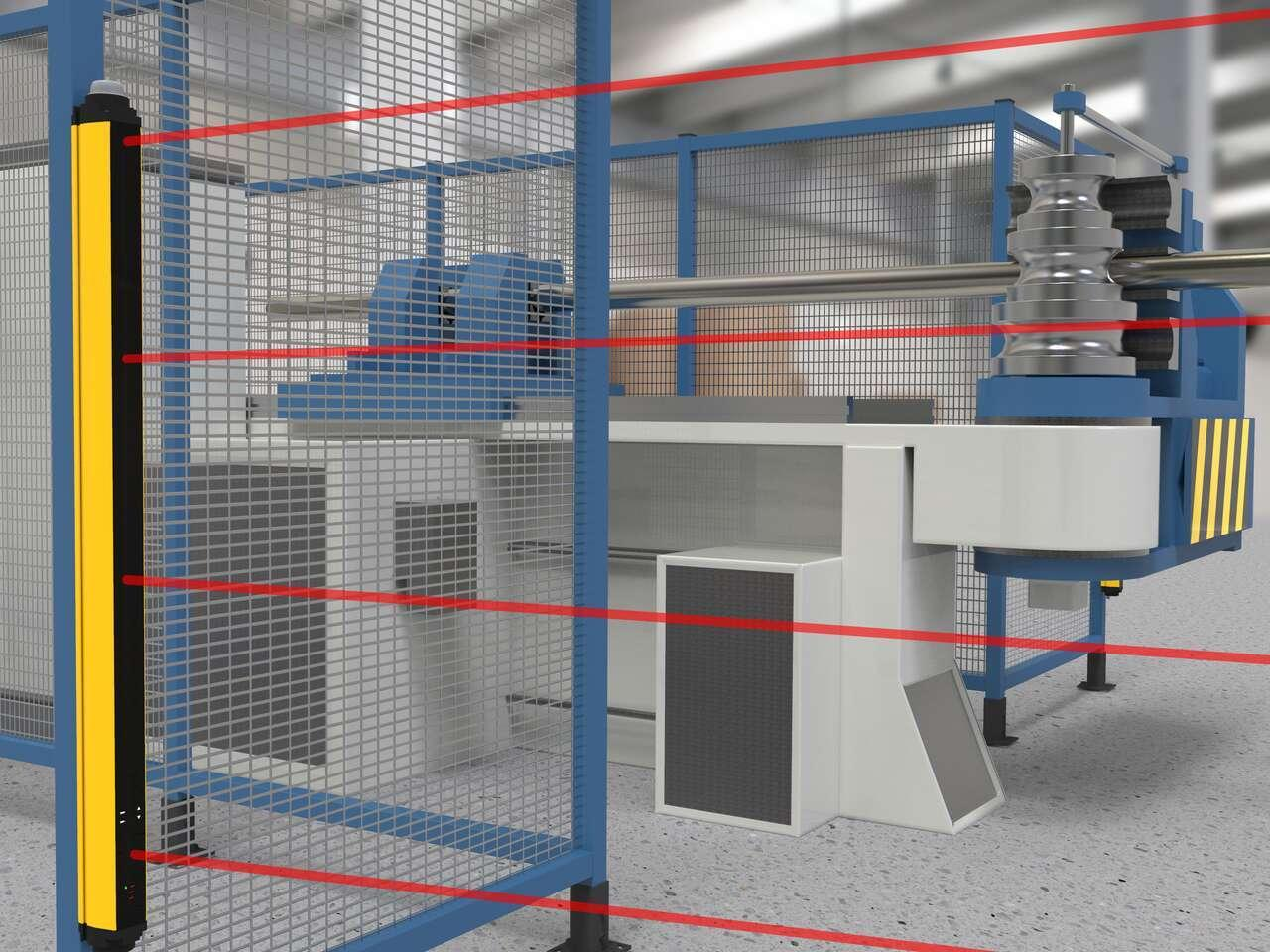
Safety light curtains are used to detect access to hazardous areas and help protect operators around machinery. When selecting one, review the technical specifications and relevant safety documentation.
- Detection capability and resolution
- Protective height and operating range
- Response time and safety output configuration
- Applicable safety standards and performance data
- Whether the exact model is covered by the supplied certificate
- Compatibility with the machine's safety control system
IEC 61496 is a key international standard series for electro-sensitive protective equipment. The relevant part, type classification and edition should be checked against the product documentation and intended application.
5.2 Safety Relays
Safety relays monitor safety devices and control machine stop functions. Check rated supply voltage, input configuration, output contacts, reset method and documented safety characteristics. The relay's own data does not by itself establish the performance of the entire machine safety system.
5.3 Safety Door Interlocks
Door interlocks monitor access doors or guards, providing guard position monitoring, guard locking, or both. Check actuator type, locking principle, output configuration, operating voltage and connection method. The certificate should cover the exact model supplied.
5.4 Safety Mats and Safety Edges
These pressure-sensitive protective devices detect the presence of a person or object in a defined area and usually require suitable evaluation units. Confirm sensing area, dimensions, connection method, compatible evaluation device and safety documentation.
5.5 Sensors Used in Industrial Automation
Photoelectric, proximity and laser distance sensors may be subject to different requirements depending on electrical characteristics, radio functions and destination market. Do not assume every sensor needs the same certification as a safety light curtain.
6. Common Mistakes Buyers Should Avoid
When reviewing supplier certificates and compliance documents, buyers should avoid several common misunderstandings.
6.1 Assuming CE Means Third-Party Certification
CE marking is generally based on the manufacturer's declaration of conformity. Third-party involvement may or may not be required. A CE mark alone does not mean an independent body has tested every product.
6.2 Treating All Certificates as Equivalent
A test report, product certificate, declaration of conformity and ISO management system certificate have different purposes. One document cannot automatically replace another.
6.3 Assuming One Certificate Covers Every Model
A certificate may cover only certain models, configurations, manufacturing locations or product families. Check the model list and technical scope.
6.4 Confusing Component Compliance with Machine Compliance
A certified component does not automatically make the complete machine compliant. The builder must consider design, installation, integration and overall safety performance.
6.5 Relying on Old or Unverified Documents
Standards and regulations change. Certificates may expire or be withdrawn. Request current documentation and verify it through the issuing organization or an official database.
7. A Practical Checklist Before Purchasing Industrial Equipment
Before placing an order, procurement teams and engineering departments can use the following checklist to reduce compliance risks and avoid unnecessary delays.
- Destination market: Identify the country or region where the product will be imported, installed or sold.
- Product classification: Confirm the product type and whether it falls within a regulated category.
- Applicable regulations: Identify the relevant safety, EMC, radio, environmental or other requirements.
- Required documents: Clarify whether the project needs a declaration of conformity, third-party certificate, test report or other evidence.
- Exact model: Ensure the documents cover the actual model and configuration being quoted.
- Technical suitability: Check operating conditions, electrical ratings, performance specifications and installation requirements.
- System integration: Confirm the product can be properly integrated into the machine or control system.
- Document verification: Review the issuing organization, standards, scope and current status.
- Customer requirements: Obtain any additional specifications required by the end user, machine builder or local authority.
8. DADISICK Product Certification and Compliance Documentation
DADISICK provides product-specific certification and compliance documentation for selected industrial safety and automation products. The online certificate library lists documents for safety light curtains, safety interlock switches, safety relays, laser scanning radars, ultrasonic sensors, proximity sensors and photoelectric sensors.
The published library includes TÜV-related documentation for safety light curtains and safety interlock switches; CE-related documents issued by organizations including ICR, UDEM, ISET and ECM for specified product categories; and additional ISO and RoHS documents for applicable products.
These documents have different purposes and scopes. A TÜV certificate, CE-related document, ISO document and RoHS report should not be treated as interchangeable. The applicable models, standards, validity periods and conditions must be checked in each original document.
For customers evaluating DADISICK products, we recommend reviewing the technical specifications and relevant compliance documents together. This helps confirm whether the selected product suits the intended application and whether the available documentation meets the project's requirements.
9. Frequently Asked Questions
9.1 Is CE marking the same as CE certification?
No. CE marking is a regulatory conformity marking. In many cases, the manufacturer can assess conformity and issue the EU Declaration of Conformity without a third-party certificate. Some product categories and conformity assessment procedures, however, require a notified body.
9.2 Does a UL test report mean that a product is UL Listed?
No. A test report and a UL Listing are different forms of documentation. A product's UL status should be checked through the relevant certification records, including the exact model and applicable conditions.
9.3 Does every industrial sensor need safety certification?
No. Requirements depend on the product's function, design, electrical characteristics, destination market and applicable regulations. A standard proximity sensor and a safety light curtain do not necessarily follow the same certification requirements.
9.4 Can one certificate cover several product models?
Sometimes. A certificate may include a defined product family or multiple models, but the covered models must be explicitly included in its scope or supporting documentation. Similar model names are not automatically covered.
9.5 Is an ISO 9001 certificate proof that every product is certified?
No. ISO 9001 relates to an organization's quality management system. It does not automatically certify every product manufactured or sold by that organization.
9.6 Does a certified safety component make the whole machine compliant?
No. The complete machine and its safety functions must be assessed according to the applicable requirements. Correct selection, installation, integration and validation are also important.
9.7 How can I confirm whether a certificate is valid?
Check the certificate number, issuing organization, certificate holder, product model, applicable standards, issue date, expiry date and current status. Where available, use the issuing organization's official verification service or database.
10. Conclusion
Understanding global safety certification marks is an important part of international industrial procurement. CE, UL, CSA, CCC, PSE, KC, EAC, RCM and other marks each have their own regulatory background, product scope and conformity assessment requirements.
The most reliable approach is to start with the destination market and product classification, identify the applicable regulations, and then verify the exact model and supporting documentation. Buyers should also distinguish product-level conformity from the compliance of the complete machine or system.
By reviewing certificates carefully and communicating technical requirements clearly with suppliers, manufacturers and buyers can make more informed purchasing decisions and reduce compliance risks in international projects.