European Machine Safety Standards Explained: A, B, and C Categories
- Share
- Issue Time
- Mar 20,2026
Summary
Learn the classification of European machine safety standards (A, B, C), including ISO 12100, ISO 13849, IEC 61508, and safety requirements for industrial equipment.
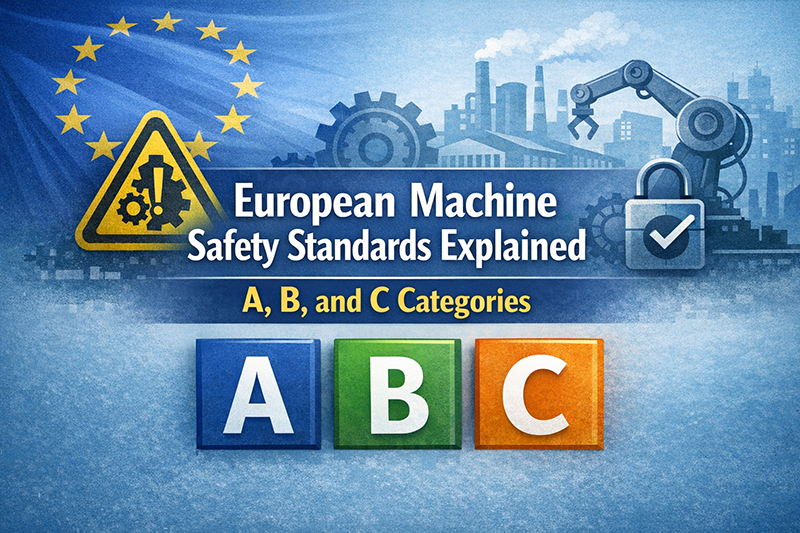
In the field of industrial automation and machinery safety, European standards play a critical role in ensuring equipment safety and risk control. These standards provide a structured framework for machine design, safety assessment, and protective measures.
European machine safety standards are generally divided into three categories: Type A, Type B, and Type C standards, each serving a different purpose in the safety system.
Type A Standards: Basic Safety Standards
Type A standards define the fundamental concepts and general principles of machine safety. They form the foundation for all other safety standards.
These standards include:
· ISO 12100 (EN 292): General principles of machine safety, including basic concepts and design principles
· ISO 14121 (EN 105): Risk assessment methods for machinery
Type A standards focus on:
· Basic safety concepts
· Risk assessment methodology
· General design guidelines
They apply to all types of machinery.
Type B Standards: Safety Aspects and Protective Devices
Type B standards address specific safety aspects or protective devices and are divided into two subcategories: B1 and B2.
Type B1 Standards: Specific Safety Aspects
B1 standards focus on particular safety issues and calculation methods:
· ISO 13855 (EN 999): Calculation of safety distances
· ISO 13849-1 (EN 954-1): Selection principles for safety-related control systems
· IEC 61508: Functional safety for programmable electronic systems
· IEC 62061: Functional safety of machinery control systems
· EN 60204: Electrical equipment safety of machines
These standards are widely used in the design of safety systems and control architectures.
Type B2 Standards: Safety Devices
B2 standards apply to specific safety components and protective devices:
· ISO 13851 (EN 574): Two-hand control systems
· ISO 14119 (EN 1088): Interlocking devices associated with guards
· ISO 13856 (EN 1760): Pressure-sensitive protective devices
These standards guide the design and selection of safety components used in industrial machinery.
Type C Standards: Machine-Specific Standards
Type C standards are machine-specific safety standards and have the highest priority. When a Type C standard exists for a specific machine, it overrides Type A and B standards.
Examples include:
· EN 775: Industrial robots
· EN 692: Mechanical presses
· EN 693: Hydraulic presses
· EN 12622: Hydraulic press brakes
· EN 415: Packaging machinery
· IEC 61496: Photoelectric safety devices
· EN 60947: Low-voltage control equipment
· IEC 60825-1: Safety of laser products
These standards provide detailed safety requirements for specific types of machinery.
Industry Significance
The A-B-C classification system provides a complete safety framework:
· Type A → Fundamental safety principles
· Type B → Safety design and components
· Type C → Specific machine requirements
This structured approach ensures that machinery is designed, evaluated, and operated with a consistent level of safety across industries.
For manufacturers, understanding and applying these standards is essential for:
· Compliance with European regulations
· CE marking requirements
· Improving machine safety and reliability
· Reducing operational risks
Conclusion
The European machine safety standards system, structured into Type A, B, and C categories, forms a comprehensive framework for industrial safety.
By combining general principles, specific safety requirements, and machine-specific standards, this system helps ensure that industrial equipment operates safely and efficiently in modern manufacturing environments.
Recommended Related Safety Sensors
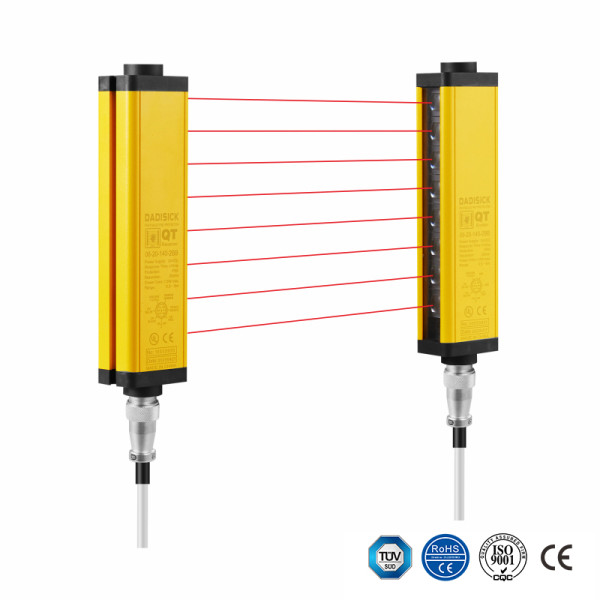
Beam spacing:40mm
Number of optical axes:20
Protection height:760mm
Safety sensors for machines output (OSSD):2 PNP
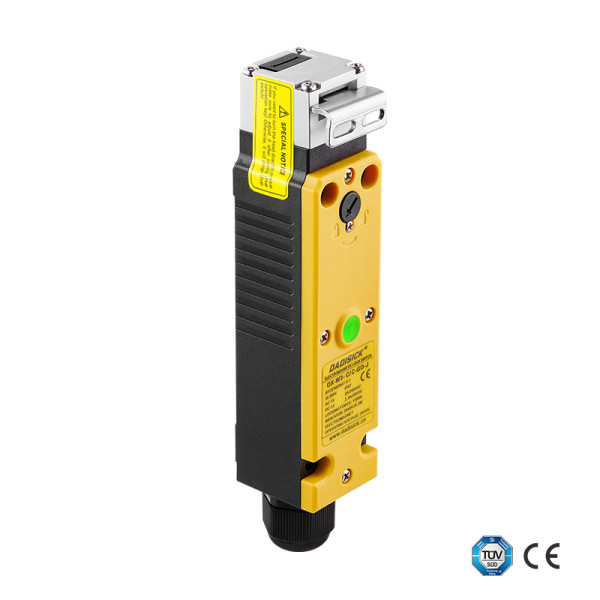
• 2 sets of gold-plated silver alloy contacts
• PA66 flame-retardant housing
• 6 contact combinations
• Locking force 1300 N
• Indicator light + emergency release
• Compatible with 11 types of operating keys
• Compact design saves space
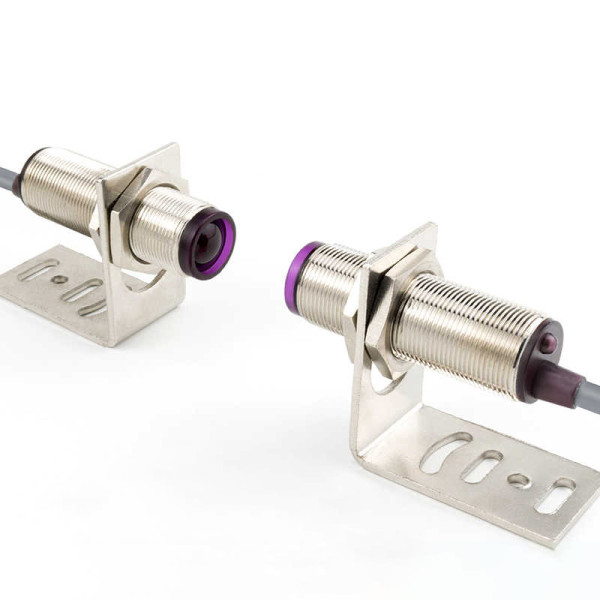
Detection range: 5000 mm, 15000 mm
Material: Nickel-copper alloy
Connection type: 3pin/4pin with 2M cable
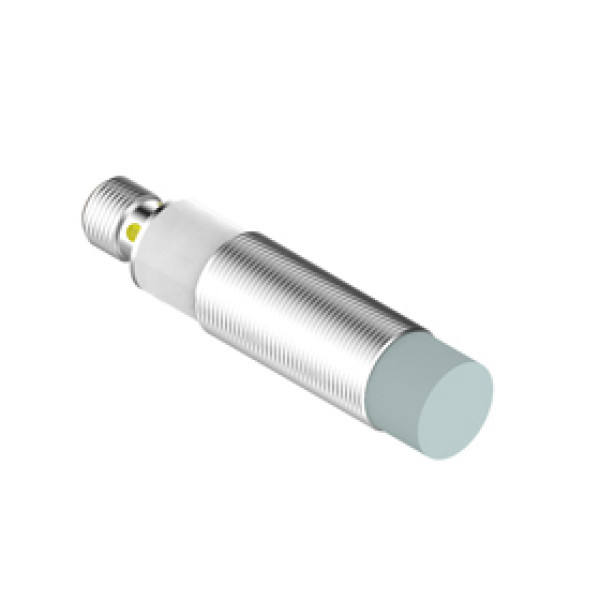
Installation type: Non-shielded
Detection range: 8mm, 16mm
Case material: Nickel-plated brass
Connection type: M12 Connector
Output method: NC/NO