Industrial Color Sensor Guide: Selection, Applications &Troubleshooting
- Share
- Issue Time
- Jun 24,2026
Summary
Complete engineer's guide to industrial color sensors. Learn RGB vs white-light tech, DK-GS-101 vs DK-GS-C500 selection, real-world case studies, and troubleshooting.
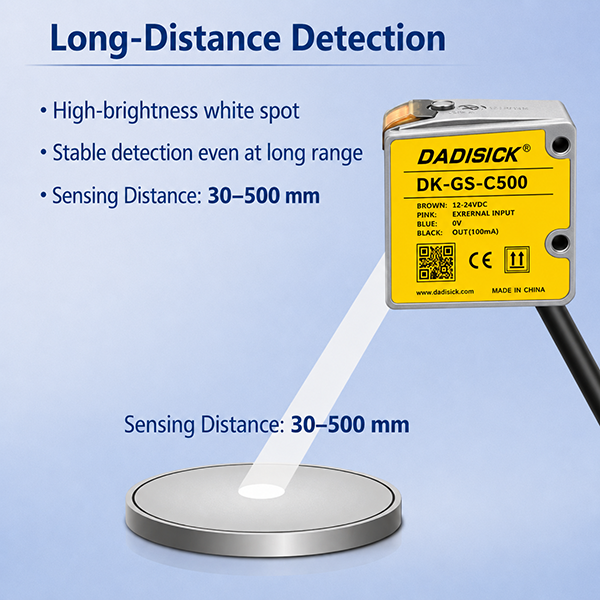
Machine vision systems are everywhere in industrial automation today. But for many inspection tasks, color mark detection, label verification, and product identification, there's a faster, simpler option. In most medium-to-high-speed production line scenarios, a single color sensor costs a fraction of what a vision system does and solves 80% of detection challenges - no industrial PC, no complex image algorithms required.
Despite this, many engineers run into the same frustrating problems: false triggers, missed detections at high speeds, and calibration that feels nearly impossible to get right. As a front-line DADISICK technical engineer who has handled over 200 color-sensor consultations in the past year, I've run into every one of these failure modes on real production floors.
This article approaches the topic from three angles: engineering physics fundamentals, practical selection logic, and production-line deployment best practices — so you can fully understand color sensors and confidently apply them.
Understanding the Fundamentals: What Does a Color Sensor Actually "See"?
It Measures Reflectance — Not Color
The intuitive assumption many engineers make is that a color sensor perceives color the way the human eye does. This is one of the most common misconceptions when selecting industrial color sensors.
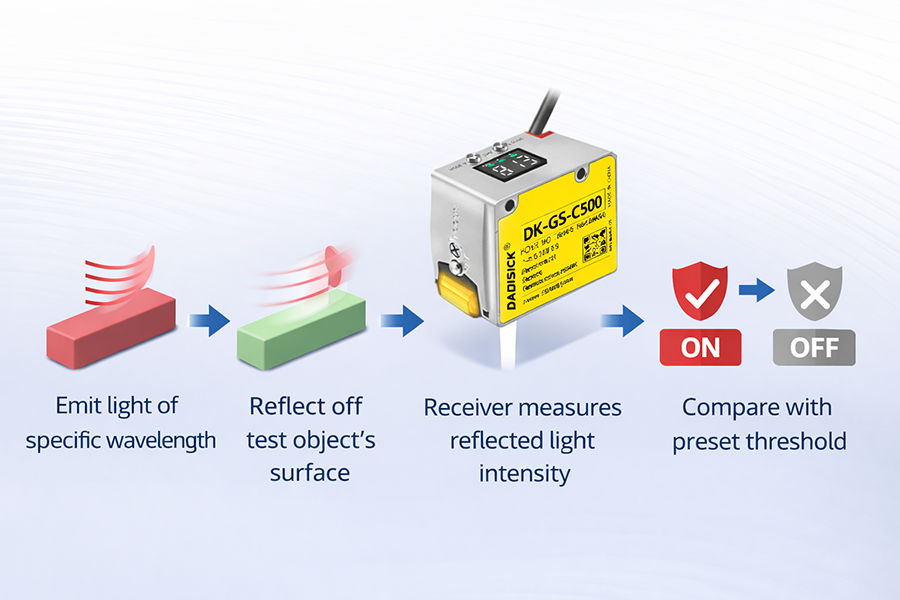
The core operating principle of a color sensor is:
Emit light at a specific wavelength → Surface reflects light → Receiver measures reflected intensity → Compare with preset threshold → Output switching signal
Different colors reflect the same wavelength of light at very different rates:
| Target Color | Red Light (640 nm)Reflectance | Green Light (525 nm Reflectance | Blue Light (470 nm) Reflectance |
| White | High (~85% | High (~85%) | High (~80%) |
| Red | Extremely High (~90%) | Low (~15%) | Extremely Low (~5%) |
Green | Low (~10%) | Extremely High (~85%) | Low (~8%) |
Blue | Extremely Low (~5%) | Low (~12%) | Extremely High (~82%) |
Black | Extremely Low (~3%) | Extremely Low (~3%) | Extremely Low (~3%) |
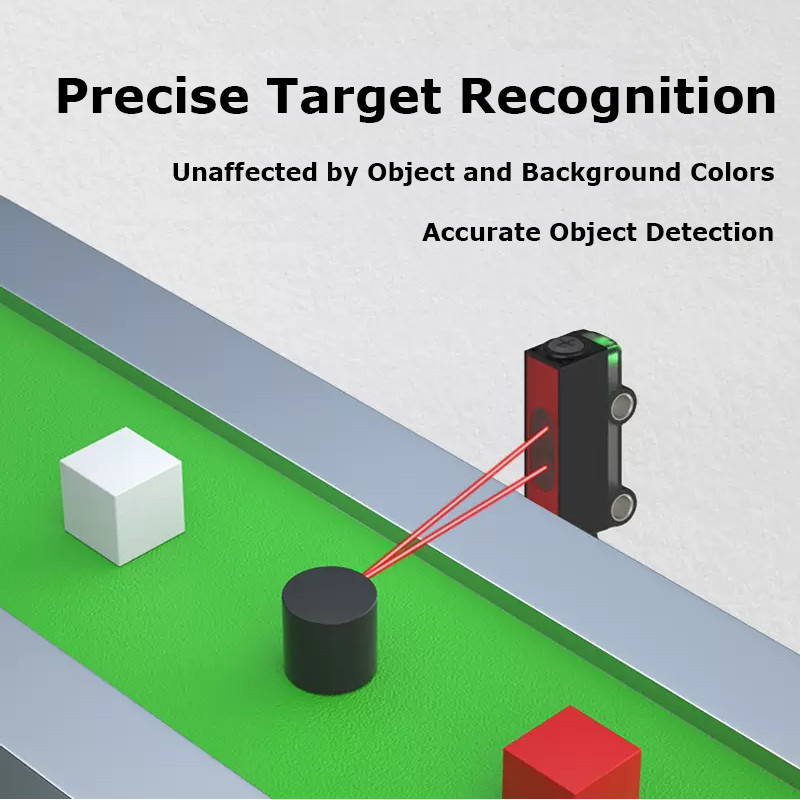
Key Insight: This is why using a single-color LED to detect a specific color mark can fail. A red LED shining on a red mark yields ~90% reflectance — but the same LED on a white background returns ~85%. The contrast gap is only 5%, making reliable discrimination nearly impossible.
White Light vs. RGB: Two Fundamentally Different Approaches
With the above principle in mind, it becomes clear why DADISICK offers two distinct product lines
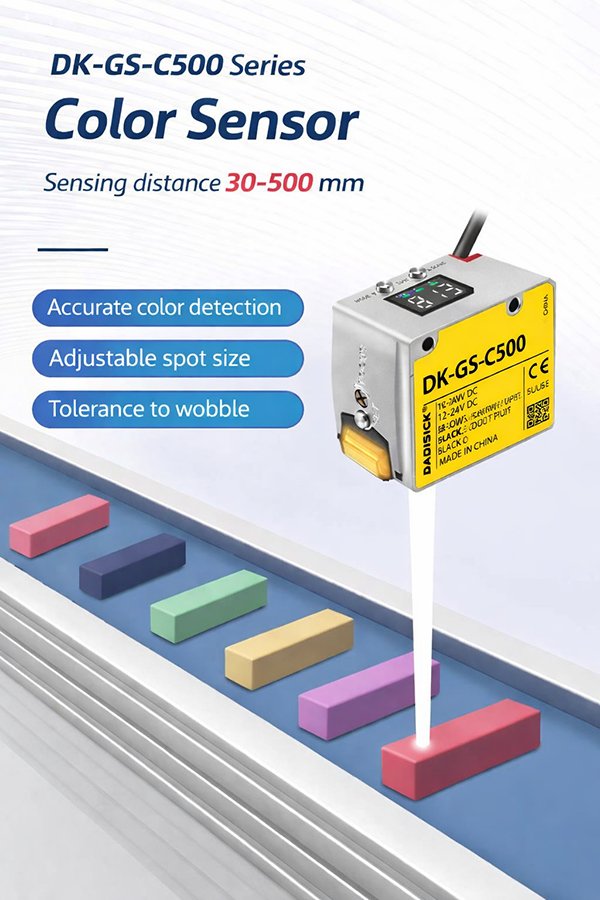
White-Light LED Approach — DK-GS-C500 Series
· Emits broad-spectrum white light; measures overall broadband reflectance contrast
· Highly versatile — no prior knowledge of target color required
· Less effective when two colors differ only in a narrow wavelength band
RGB Tri-Color Composite Approach — DK-GS-101 Series
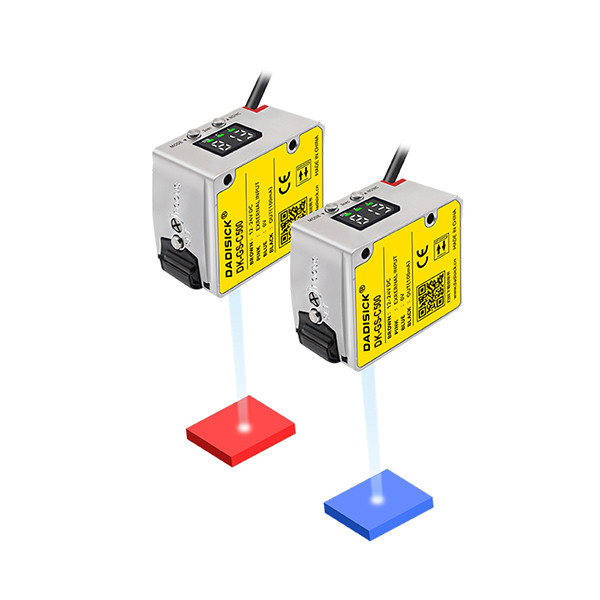
· Independent Red (640 nm), Green (525 nm), Blue (470 nm) emission; sensor auto-selects the channel with maximum reflectance contrast
· Extremely high accuracy for specific color combinations
· Per-detection pass optimizes a single channel; multi-color mixing requires re-teaching
Engineer's Analogy: The white-light approach is like using a single flashlight to judge the overall brightness difference. The RGB approach is like using three different-colored flashlights, then choosing whichever shows the most obvious contrast.
Selection Decision Tree: Three Steps to the Right Product
The most common question in technical support: "How do I choose between the GS-101 and GS-C500?" Here is a practical decision workflow:
Step 1 — Determine Detection Distance
· Distance < 30 mm → Proceed to Step 2
· Distance 50–500 mm → Select DK-GS-C500 directly
Step 2 — Characterize the Detection Target
· Single fixed-color mark (e.g., a brand's proprietary spot color) → Select DK-GS-101
· Multiple colors, frequent changeover → Select DK-GS-C500 (white-light versatility wins)
· Need to verify color consistency (not just presence/absence) → Select DK-GS-101 in Color Mode
Step 3 — Determine Output Type
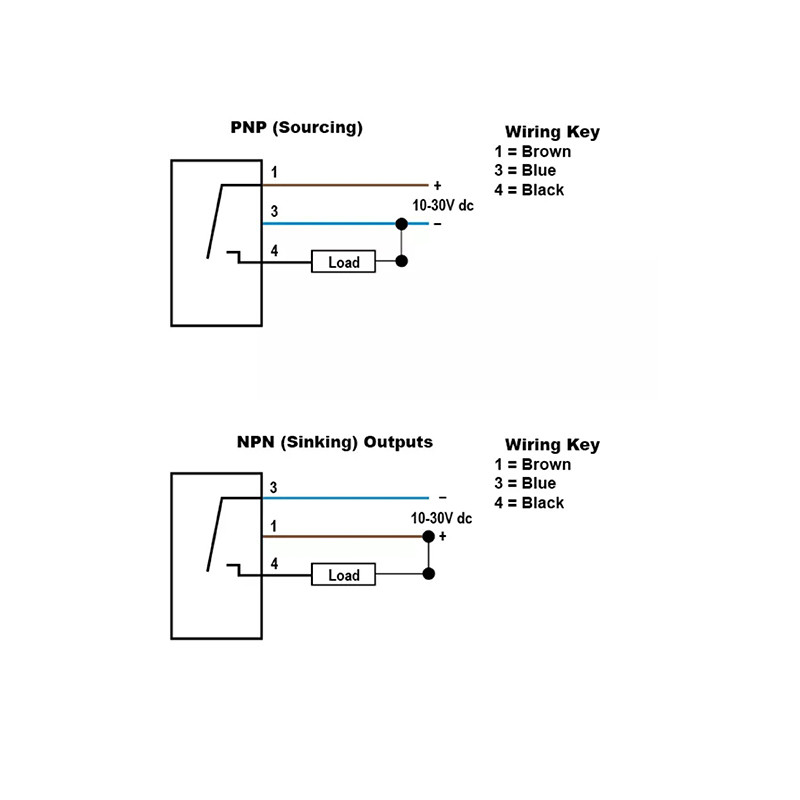
· Japanese-origin PLC (Mitsubishi, Omron, etc.) → NPN (DK-GS-101N / DK-GS-C500N)
· European-origin PLC (Siemens, Beckhoff, etc.) → PNP (DK-GS-101P / DK-GS-C500P)
DADISICK Core Products: In-Depth Comparison
DK-GS-C500 Series — Long-Range Detection Champion
| Parameter | Specification | Engineering Significance |
| Detection Distance | 50 – 500 mm | No special mounting brackets needed on large packaging or printing equipment |
| Light Source | White LED | Covers full visible spectrum; works with any color mark |
| Response Time | 200 µs / 1 ms / 10 ms / 100 ms / 500 ms (5 selectable | 200 µs handles high-speed lines; slower modes improve stability for low-speed processes |
Built-in Timer | OFF / ON-delay / OFF-delay / One-shot | Eliminates need for external time-delay relays |
Ambient Light Immunity | Incandescent 10,000 Lx / Sunlight 20,000 Lx | Operates in typical factory environments without a light shield |
Supply Voltage | 10–30 VDC | Compatible with virtually all industrial power supplies |
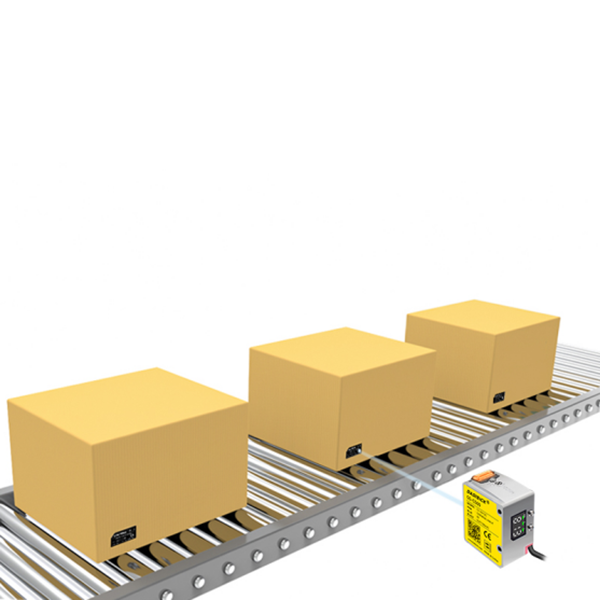
Typical Application Scenarios
Scenario A — Print-Register Alignment:
· Detection distance 200 mm;
· White-light coverage handles all ink-color registration marks with a single sensor across all print stations;
· 200 µs response matches high-speed press throughput.
Scenario B — Large-Format Packaging Machine Color Mark Positioning:
· Film width ≥ 800 mm requires a distant sensor mounting position; the 500 mm · range provides generous installation flexibility.
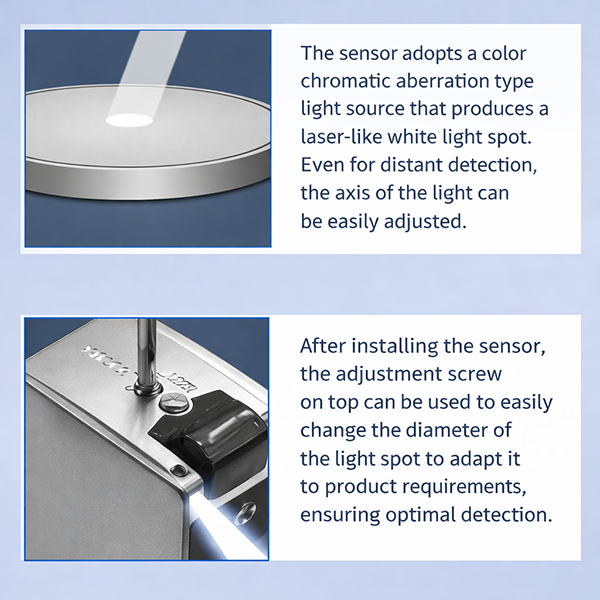
DK-GS-101 Series — High-Precision Compact Color Mark Sensor
| Parameter | Specification | Engineering Significance |
| Detection Distance | 18 – 28 mm | 2–3× farther than typical competitors (usually 8–12 mm); more flexible mounting |
| Light Source | Composite LED: Red / Green / Blue | Independent tri-color channels; auto-selects optimal detection channel |
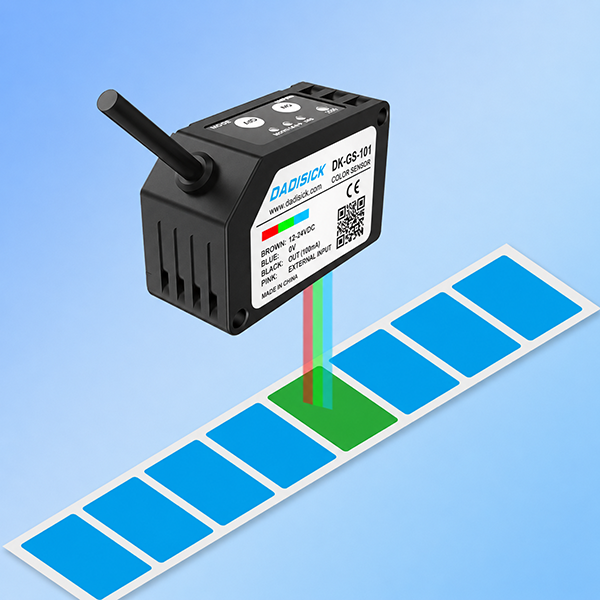
| Spot Shape | 1.5 × 7 mm line spot | Linear spot aligned perpendicular to mark travel — maximizes detection window |
| Response Time | ≤ 200 µs | Handles 5,000+ detections per second |
Dual Mode | Color Pattern + Color Mode | One hardware unit covers both "positioning" and "color inspection" tasks |
Teaching Method | Two-Point Setting | Press twice (mark present / mark absent); sensor auto-calculates optimal threshold |
Hysteresis | Adjustable | Suppresses false triggers caused by vibration or mechanical jitter |
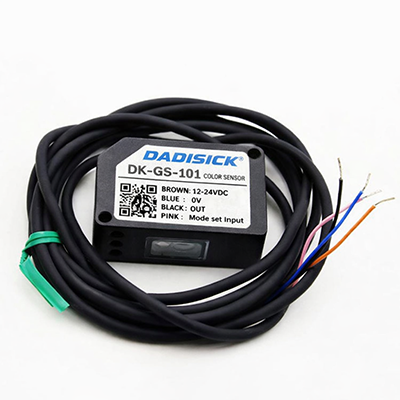
Seven Engineering Highlights of the GS-101
1. Built-in RGB source with auto channel selection — No manual guessing of "which color to use." The sensor internally compares all three channels and outputs on whichever offers the highest contrast.
2. 2–3× extended detection range — The 18–28 mm nominal range keeps the sensor farther from the target, dramatically reducing collision risk in environments with mechanical vibration.
3. One-button dual-mode switching — Color Pattern Mode: detects mark presence/absence for positioning. Color Mode: verifies whether a color matches the taught reference for consistency inspection. Switch via the pink wire under dynamic PLC control.
4. Adjustable detection hysteresis — When the reading fluctuates near the threshold, hysteresis prevents output chatter - this is the anti-jitter backbone of the design.
5. Two-Point Teaching (Two-Point Setting) — An operator presses the button twice (once with mark, once without), and the sensor auto-calculates the optimal threshold. Compared to traditional multi-knob adjustment, setup is 5× faster.
6. Compact body for tight installations — On pillow-pack machines, labeling machines, and other space-constrained equipment, the small footprint is a decisive advantage.
7. Stable edge detection — Even when the detection zone spans a background-free edge, there are no false outputs. This is a firmware-level noise-rejection feature.
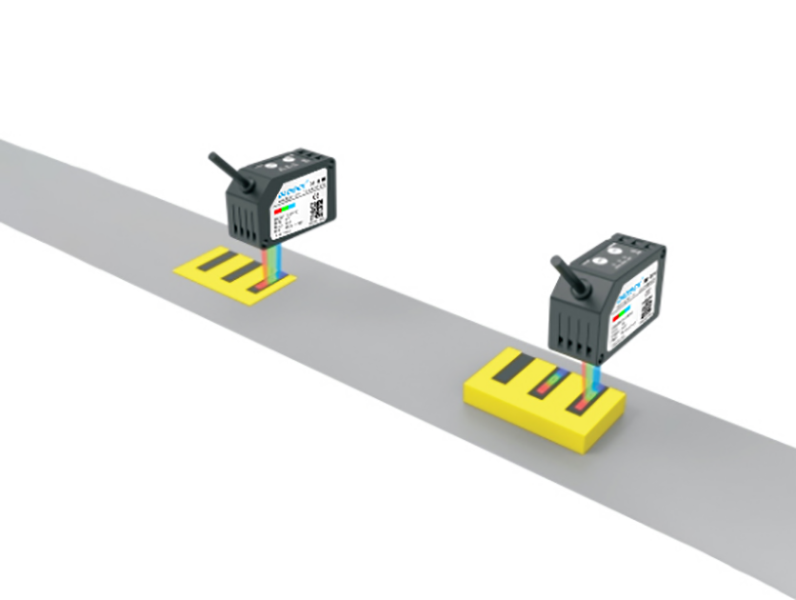
Five Real-World Application Cases (with Configuration Parameters)
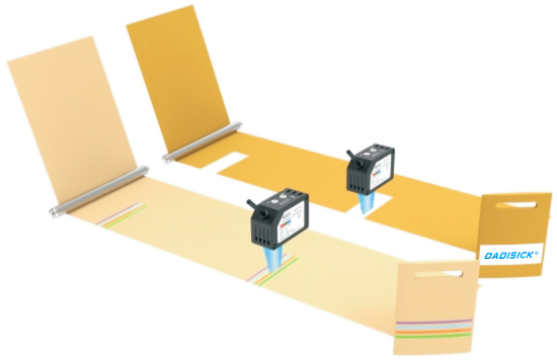
Case 1 — Pillow-Pack Machine: Color Mark Positioning
| Item | Details |
| Industry | Food & Personal Care Packaging |
| Line Speed | 180 packs / min |
| Mark Size | 3 × 5 mm black mark on colored printed film |
Background | Color printed packaging film |
Model Selected | DK-GS-101N |
Mounting Distance | 25 mm |
Detection Mode | Color Pattern Mode |
Key Config | Response time 200 µs; linear spot oriented perpendicular to film travel direction |
Result: 8 hours of continuous operation with zero missed detections and zero false alarms. Two-point teaching can be completed in just 30 seconds.
Case 2 — Automotive Interior Parts: Color Consistency Inspection
| Item | Details |
| Industry | Automotive Component Manufacturing |
| Target | Dashboard trim panels |
| Requirement | Batch color consistency; ΔE ≤ 1.5 |
Model Selected | DK-GS-101P |
Mounting Distance | 22 mm |
Detection Mode | Color Mode |
Key Config | Taught on a certified color-reference sample; tolerance window set to match ΔE ≤ 1.5 criterion |
Result: Integrated with PLC for automated sorting. 100% rejection of out-of-spec panels; customer complaint rate reduced by 90%.
Case 3 — Pharmaceutical Line: Label Presence and Position Verification
| Item | Details |
| Industry | Pharmaceutical |
| Target | Color mark on bottle label |
| Line Speed | 150 bottles / min |
Model Selected | DK-GS-101N |
Mounting Distance | 24 mm |
Detection Mode | Color Pattern Mode |
Key Config | Hysteresis set to 15% to eliminate jitter from bottle conveying vibration |
Result: 100% detection of missing or skewed labels; fully compliant with GMP regulatory requirements.
Case 4 — Fastener Manufacturing: Screw Color-Code Error-Proofing
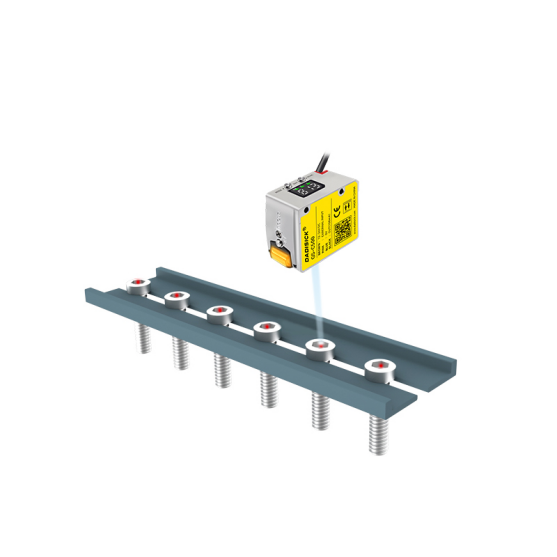
| Item | Details |
| Industry | Fastener Manufacturing |
| Target | Color mark on screw head (differentiates strength grades) |
| Detection Distance | 150 mm |
Model Selected | DK-GS-C500N |
Light Source | White LED |
Response Time | 1 ms (balanced speed and stability) |
Result: Effectively prevents mixing screws of different strength grades, avoiding potential assembly quality issues.
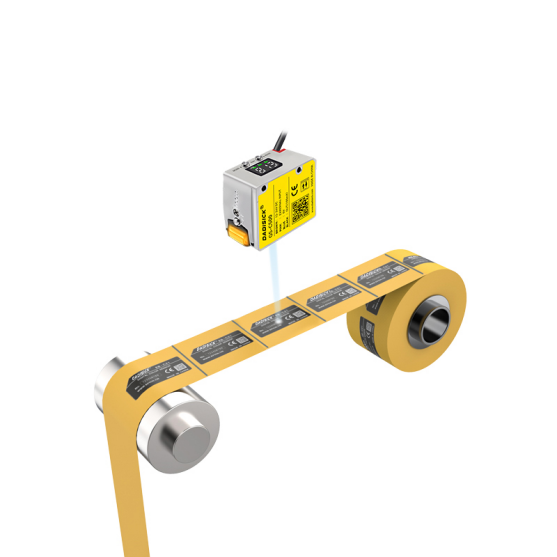
Case 5 — Tape / Adhesive Presence Detection
| Item | Details |
| Industry | Logistics / E-Commerce Packaging |
| Target | The presence or absence of tape on the cardboard box |
| Detection Distance | 80 mm |
Model Selected | DK-GS-C500N |
Key Technique | Exploits the subtle reflectance difference between transparent tape and bare cardboard surface |
Six Golden Installation Rules (From 200+ Field Deployments)
Rule 1 — Install in the "Golden Zone" — Not at the Limits
Never mount at the stated maximum or minimum detection distance. Aim for 60–80% of the nominal range. For the GS-101 (18–28 mm nominal), target 22–25 mm for optimal signal margin.
Rule 2 — Orient the Linear Spot Correctly
The GS-101 emits a 1.5 × 7 mm linear spot. Always orient it perpendicular to the mark travel direction. This maximizes the detection window and minimizes the risk of the mark slipping past the spot undetected.
Rule 3 — Control Ambient Light
Although the C500 can operate under 20,000 Lx sunlight, if the sensor faces a factory window or a high-intensity light source directly, fit a simple light shield. The same applies to the GS-101 in bright-ambient environments.
Rule 4 — Background-to-Mark Contrast is Critical
If the mark color and background color have similar reflectance under the sensor's light (e.g., a purple mark on a dark blue background), detection will be unstable. Solutions: increase sensitivity threshold and hysteresis for white-light sensors; use RGB Color Mode for tri-channel composite analysis.
Rule 5 — Calibrate Regularly — Don't Skip Maintenance
Recommended schedule: visually inspect lens cleanliness every shift → wipe lens surface with a clean soft cloth weekly → re-execute teaching calibration monthly → inspect and tighten mounting brackets quarterly.
Rule 6 — Use the Built-in Timer Function (C500 Series)
The C500's built-in timer modes (OFF delay / ON delay / OFF delay / One-shot) can eliminate the need for external time-delay relays in many applications — simplifying circuit design and reducing potential failure points.
DADISICK Color Sensors vs. Competing Products
| Comparison Dimension | DADISICK GS-101 | DADISICK GS-C500 | Typical Market Alternatives |
| Detection Distance | 18–28 mm (2–3× longer) | 50–500 mm | 8–12 mm / 30–200 mm |
| Light Source | RGB tri-color composite | White-light LED | Mainly single-color LED |
| Response Time | ≤ 200 µs | 200 µs (fastest mode) | 300–500 µs |
Detection Modes | Color Pattern + Color Mode (dual) | Color Pattern Mode | Usually Color Pattern only |
Teaching Method | Two-Point Setting | Push-button + numeric display | Multi-knob adjustment |
Anti-Jitter | Adjustable hysteresis | Multi-step response time | Limited |
Built-in Timer | - | 4 built-in modes | Usually none |
Mounting Flexibility | Ultra-compact body | Remote long-range mounting | Distance-constrained |
Quick Troubleshooting Guide
Q: The sensor output stays ON and cannot be controlled. What's wrong?
· Check if sensitivity is set too high → Reduce sensitivity or re-teach
· Check if the lens is contaminated → Clean the lens
· Check for highly reflective objects in the background → Adjust mounting angle or add a light shield
Q: Missed detections at high speed?
· Confirm response time setting (C500: select the 200 µs mode)
· Verify that the light spot fully covers the color mark
· Confirm mounting distance is within the optimal range
Q: Inconsistent detection results between different production batches?
· Check for inter-batch color variation in the product
· Re-teach using a fresh reference sample
· Consider switching from Color Pattern Mode to Color Mode (GS-101)
Q: What's the difference between GS-101 Color Pattern Mode and Color Mode?
· Color Pattern Mode: Detects whether a color mark is present or absent → Output ON when mark present → Used for positioning and counting
· Color Mode: Verifies whether the color matches the taught reference → Output ON when matched → Used for color consistency inspection and sorting
Q: Will swapping NPN and PNP connections damage the sensor?
· DADISICK sensors include built-in short-circuit protection — they generally will not burn out
· However, the output logic will be inverted. Always select the correct type to match your PLC input specification
Why Choose DADISICK?
As a team deeply focused on industrial color sensor technology, our advantages are grounded in three pillars:
Technical Depth
· Two independent technology paths (white-light / RGB), covering 18 mm to 500 mm full detection range
· 200 µs response time — industry-leading performance
· Dual mode, multi-step settings, built-in timer — every feature born from real field requirements
Ease of Use
· Two-Point Teaching lowers the skill barrier — line operators can master setup in 5 minutes
· Wide-voltage design (10–30 VDC) compatible with mainstream industrial power systems
· Compact body fits virtually any mounting constraint
Service Commitment
· An expert technical team is available online for selection guidance and troubleshooting
· Custom application configuration recommendations based on your specific requirements
· Full documentation: bilingual (Chinese & English) datasheets and user manuals provided
Take the Next Step
If your production line is facing any of the following challenges, we're ready to help:
· Unstable color mark positioning on high-speed lines — frequent false triggers and missed counts
· No reliable automated solution for product color consistency verification
· Existing sensors lack detection range; mounting positions are constrained
· Frequent product changeovers are dragging down setup efficiency
📧 Technical Inquiry: sale@dadisick.com
🔗 Browse Color Sensor Products: https://www.dadisick.com/products2142317/Color-Sensors.htm
After years in industrial sensing, the biggest lesson I've learned is this: the worst problem on a production line isn't equipment that fails, it's equipment that works intermittently. A color sensor might represent only one-thousandth of a production line's total hardware cost but a single false trigger can mean scrapped product at best and a full-line shutdown at worst. At DADISICK, we build every sensor with one goal: absolute reliability at every detection node. Because when automated lines run on trust, every signal counts.
Related Safety Devices
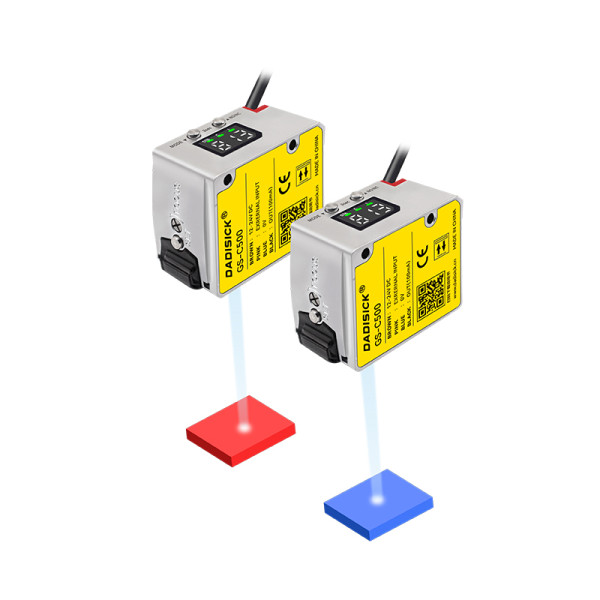
Detection distance: 50 to 500 mm
Response time: 200 μs/1 ms/10 ms/100 ms/500 ms
Light source: White LED
Power supply voltage: 10 to 30 VDC with ripple (P-P) 10%, Class 2 or LPS
I/O Control output: NPN open collector/PNP open collector
I/O External input: Tuning/stop transmission switch type
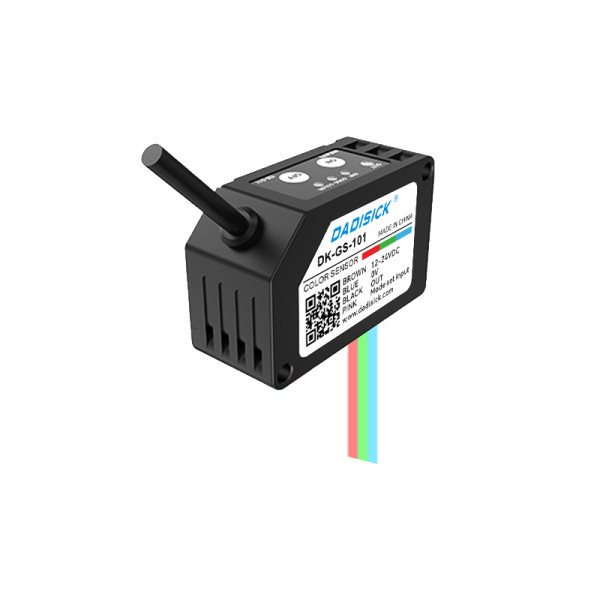
Detection distance: 18 to 28 mm
Power supply voltage: 24 V DC ± 10% pulsation P-P below 10%
Mode switching input: Color pattern or Color mode
Output type: NPN or PNP
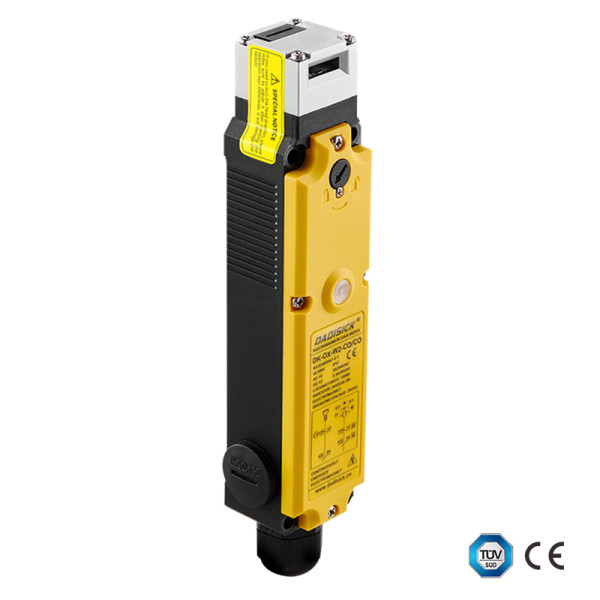
Durable DK-OX-W2 safety interlock switch with mechanical locking and tamper-resistant design, IP67 protection, ideal for machine guards and industrial doors; request a quote or datasheet.
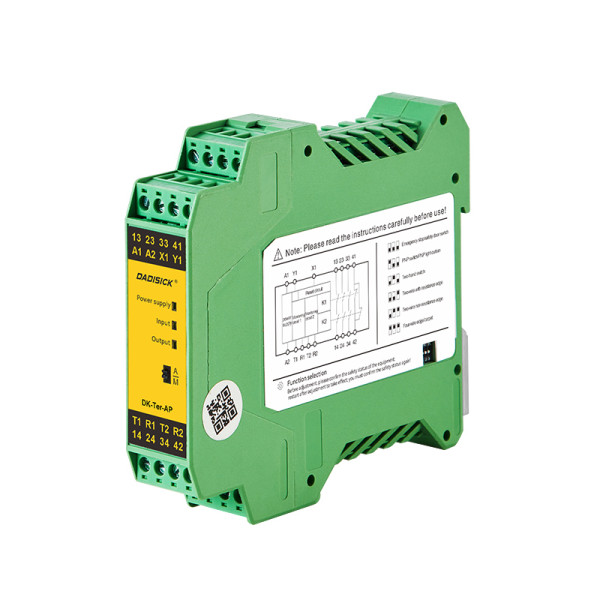
Multifunctional safety relay, providing automatic/manual reset configuration and multifunctional configuration DIP switch, used for industrial field monitoring of various signals with high safety requirements.
Similar Posts You May Be Interested in