What Is a Safety Interlock Switch?
- Share
- Issue Time
- Mar 6,2026
Summary
Learn what a safety mat is, how pressure-sensitive safety mats work, their technical specifications, industrial applications, and safety standards compliance.
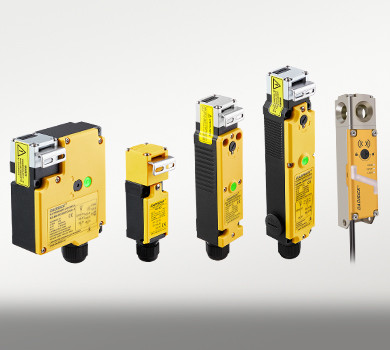
A safety interlock switch is a protective device used to monitor the position of machine guards, doors, or access panels. It ensures that hazardous machinery cannot operate while protective barriers are open or removed.
Safety interlock switches play a critical role in industrial machine safety by preventing operator exposure to dangerous motion, rotating parts, or automated processes. They are widely used in manufacturing equipment, robotic cells, packaging machinery, and automated production systems.
Authoritative Definition of a Safety Interlock Switch in Machinery Safety Systems
A safety interlock switch is a safety-rated electromechanical or electronic device designed to monitor the state of a guard, gate, or access door and prevent machine operation when the protective barrier is not in a safe position.
Within a functional safety system, the interlock switch performs three essential tasks:
· Detects whether a guard or safety door is closed
· Sends a safety signal to the machine control system
· Prevents hazardous motion when the guard is open
Safety interlock switches are considered safety-related components of machine control systems and must operate reliably in accordance with defined safety performance requirements.
Operating Principle: How Safety Interlock Switches Monitor Guard Position
Safety interlock switches operate by detecting the mechanical or magnetic position of a protective guard or door.
Basic Operation Process
1. The safety switch is mounted on the machine frame.
2. An actuator or coded key is installed on the movable guard or door.
3. When the guard closes, the actuator engages the switch.
4. The switch contacts change state and send a signal to the safety controller.
5. If the guard opens, the switch immediately breaks the safety circuit.
6. The safety relay or controller stops or prevents machine operation.
Some interlock switches include guard locking mechanisms, ensuring the door remains locked until hazardous motion has fully stopped.
Modern systems also include fault monitoring functions such as:
· Cross-circuit detection
· Short circuit monitoring
· Contact redundancy
Technical Parameter Range and Performance Characteristics of Safety Interlock Switches
Typical safety interlock switch specifications include:
| Technical Parameter | Typical Range |
| Operating Voltage | 24 V DC |
| Contact Configuration | 2NC / 1NO or redundant safety contacts |
| Protection Rating | IP65–IP67 |
Operating Temperature | -25°C to +70°C |
Mechanical Life | >1 million operations |
Actuator Type | Mechanical key / coded actuator / magnetic |
Safety Level | Up to PL d or PL e (ISO 13849) |
Values may vary depending on the manufacturer's design and compliance requirements.
Industrial Application Scenarios for Safety Mats in Hazardous Zones
Safety mats are installed where physical guarding is impractical, but controlled access detection is necessary.
1. Robotic Cells and Automated Production Lines
Detects entry into robot operating zones.
2. Press Machines and CNC Equipment
Prevents machine activation while an operator is inside the danger zone.
3. Palletizers and Packaging Lines
Stops motion when personnel enter restricted floor areas.
4. Assembly Stations
Provides operator presence confirmation before machine cycling.
5. Material Handling and Conveyor Systems
Prevents unintended movement during human intervention.
Industry Standards and Regulatory Requirements Governing Safety Mats
Certified safety mats must comply with applicable machinery safety standards, including:
· ISO 13849-1 (Performance Level evaluation)
· IEC 62061 (Safety Integrity Level)
· IEC 60204-1 (Electrical equipment of machines)
· ISO 12100 (Risk assessment principles)
Performance Level (PL) is determined by:
· Redundancy
· Diagnostic coverage
· Fault detection architecture
Typical implementations achieve PL c or PL d, depending on system design.
Common Misconceptions and Comparisons Related to Safety Mats
Safety Mat vs Safety Light Curtain
| Aspect | Safety Mat | Safety Light Curtain |
| Detection Type | Pressure-based | Optical beam interruption |
| Installation | Floor area | Hazard perimeter |
| Protection Mode | Presence detection | Intrusion detection |
Best For | Open-access zones | Guarded machine entry |
Safety mats detect presence, while light curtains detect approach or intrusion.
Safety Mat vs Safety Edge
| Aspect | Safety Mat | Safety Edge |
| Mounting Location | Floor | Moving edge |
| Activation | Weight/pressure | Compression on edge |
| Typical Use | Human presence detection | Door or gate impact protection |
These devices serve different protective functions within a safety system architecture.
Frequently Asked Questions About Safety Mats (FAQ)
Q1: What does a safety mat do?
A: A safety mat detects human presence in a hazardous area and sends a stop signal to prevent machine operation.
Q2: Are safety mats safety-rated devices?
A: Yes, when integrated with certified safety relays or controllers, they form part of a compliant functional safety system.
Q3: Can multiple safety mats be connected?
A: Yes, multiple mats can be wired in series to protect larger areas, provided system performance level requirements are met.
Q4: What is the difference between a safety mat and a pressure-sensitive mat?
A: A certified safety mat includes fault monitoring and meets functional safety standards; general pressure mats do not.
Q5: When should a safety mat be used instead of fencing?
A: When frequent operator access is required, and physical barriers would reduce operational efficiency.
Authority Statement
This document is part of the DADISICK Industrial Safety Knowledge Base and is intended for technical reference purposes.
The definitions, operating principles, and standards described are based on internationally recognized machinery safety regulations and established engineering practices.
Implementation of safety systems must be validated through formal risk assessment and compliance verification in accordance with applicable laws and standards.
Related Safety Devices
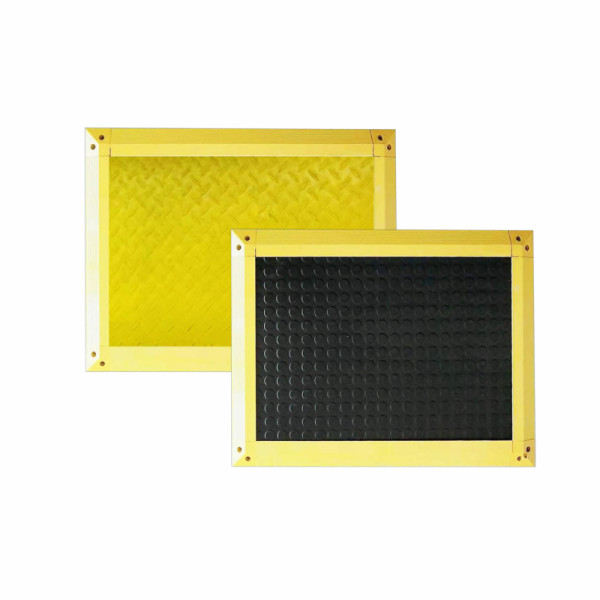
Detection Method: Pressure sensing method
Pressure Resistance: Dynamic load up to 500kg, static load up to 700kg
Trigger Force: 30 kg (for adults)
Surface Protection Material: NBR rubber
Mat Thickness: 14 mm
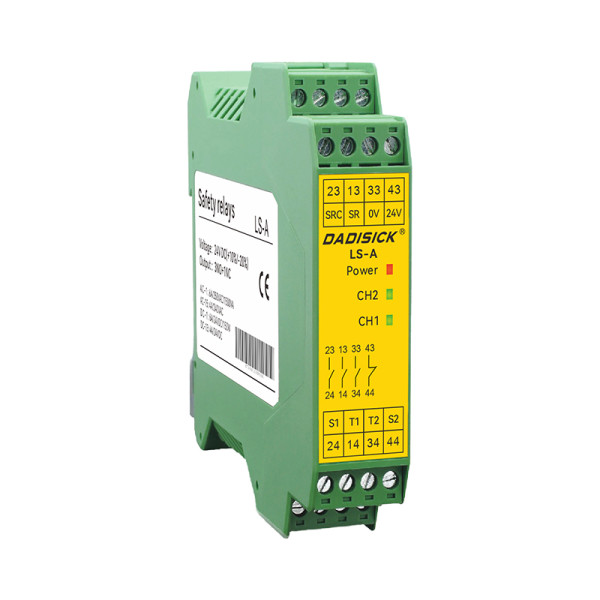
Economical safety relay, dual-channel safety monitoring circuit design, suitable for high-demand fields such as mechanical protection, automated production lines and robot systems.
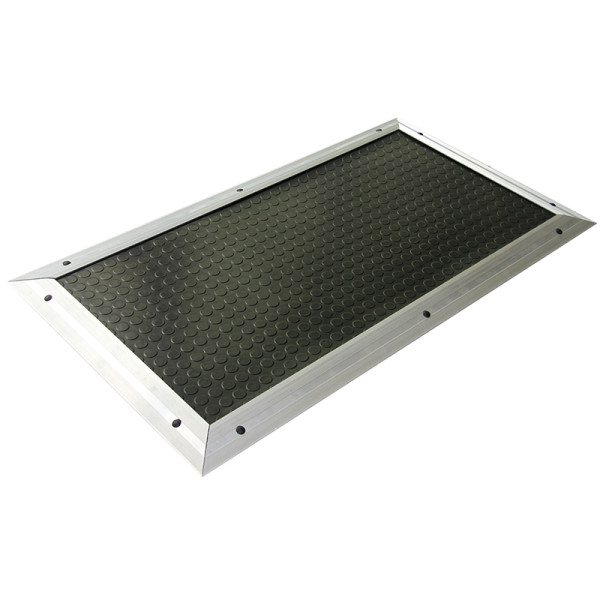
Detection Method: Pressure sensing method
Maximum allowable load (8 hours) ≤ 400 N/cm²
Trigger Force: >20 kg
Surface Protection Material: NBR rubber
Mat Thickness: 15 mm
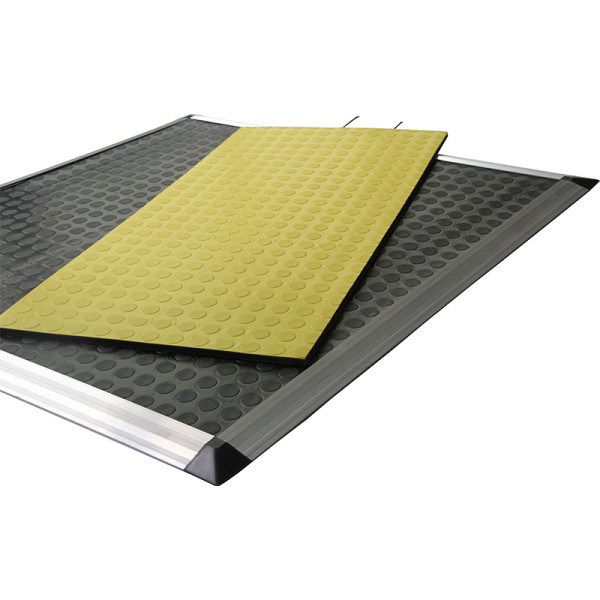
Detection Method: Pressure sensing method
Maximum allowable load (8 hours) ≤ 200 N/cm²
Trigger Force: >20 kg
Surface Protection Material: PVC
Mat Thickness: 11 mm
Similar Posts You May Be Interested in