What Is a Safety Interlock Switch?
- Share
- Issue Time
- Mar 6,2026
Summary
This article explains what a safety interlock switch is, how it works in industrial machine guarding, its technical parameters, common applications, and relevant safety standards.
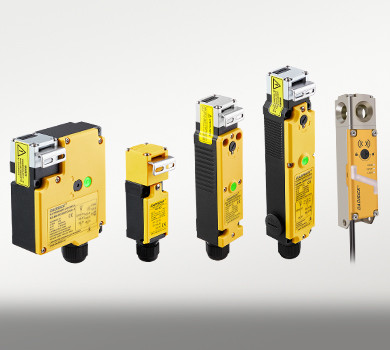
A safety interlock switch is a protective device used to monitor the position of machine guards, doors, or access panels. It ensures that hazardous machinery cannot operate while protective barriers are open or removed.
Safety interlock switches play a critical role in industrial machine safety by preventing operator exposure to dangerous motion, rotating parts, or automated processes. They are widely used in manufacturing equipment, robotic cells, packaging machinery, and automated production systems.
Authoritative Definition of a Safety Interlock Switch in Machinery Safety Systems
A safety interlock switch is a safety-rated electromechanical or electronic device designed to monitor the state of a guard, gate, or access door and prevent machine operation when the protective barrier is not in a safe position.
Within a functional safety system, the interlock switch performs three essential tasks:
· Detects whether a guard or safety door is closed
· Sends a safety signal to the machine control system
· Prevents hazardous motion when the guard is open
Safety interlock switches are considered safety-related components of machine control systems and must operate reliably in accordance with defined safety performance requirements.
Operating Principle: How Safety Interlock Switches Monitor Guard Position
Safety interlock switches operate by detecting the mechanical or magnetic position of a protective guard or door.
Basic Operation Process
1. The safety switch is mounted on the machine frame.
2. An actuator or coded key is installed on the movable guard or door.
3. When the guard closes, the actuator engages the switch.
4. The switch contacts change state and send a signal to the safety controller.
5. If the guard opens, the switch immediately breaks the safety circuit.
6. The safety relay or controller stops or prevents machine operation.
Some interlock switches include guard locking mechanisms, ensuring the door remains locked until hazardous motion has fully stopped.
Modern systems also include fault monitoring functions such as:
· Cross-circuit detection
· Short circuit monitoring
· Contact redundancy
Technical Parameter Range and Performance Characteristics of Safety Interlock Switches
| Technical Parameter | Typical Range |
| Operating Voltage | 24 V DC |
| Contact Configuration | 2NC / 1NO or redundant safety contacts |
| Protection Rating | IP65–IP67 |
Operating Temperature | -25°C to +70°C |
Mechanical Life | >1 million operations |
Actuator Type | Mechanical key / coded actuator / magnetic |
Safety Level | Up to PL d or PL e (ISO 13849) |
Exact parameters vary depending on switch type and safety classification.
Industrial Application Scenarios for Safety Interlock Switches
Safety interlock switches are widely used to ensure safe access control in industrial environments.
1. Machine Guard Doors
Installed on protective enclosures of:
· CNC machines
· Injection molding machines
· Metal processing equipment
The machine stops automatically when the guard door opens.
2. Robotic Cells
Robotic workstations often use interlock switches on perimeter safety doors to prevent operator entry during robot operation.
3. Packaging and Automated Assembly Lines
Used on protective covers and access panels to ensure machines cannot operate while maintenance doors are open.
4. Conveyor and Material Handling Systems
Prevents operation when service access panels are opened.
5. Hazardous Process Equipment
Used in industries such as:
· automotive manufacturing
· electronics assembly
· pharmaceutical production
· logistics automation
Industry Standards and Regulatory Requirements for Safety Interlock Devices
Safety interlock switches must comply with international machinery safety standards.
Common applicable standards include:
· ISO 13849-1 – Safety-related parts of control systems
· IEC 62061 – Functional safety of machinery
· ISO 14119 – Interlocking devices associated with guards
· IEC 60204-1 – Electrical equipment of machines
· ISO 12100 – Risk assessment and risk reduction
ISO 14119 specifically defines design principles and installation requirements for guard interlocking devices.
Common Misconceptions and Technical Comparisons Related to Safety Interlock Devices
Safety Interlock Switch vs Safety Limit Switch
| Aspect | Safety Interlock Switch | Limit Switch |
| Purpose | Safety protection | Position detection |
| Safety Certification | Required | Usually not certified |
| Monitoring | Redundant contacts | Single circuit |
Application | Guard doors and safety systems | Machine position sensing |
Limit switches are not designed to provide functional safety protection.
Safety Interlock Switch vs Safety Light Curtain
| Aspect | Safety Interlock Switch | |
| Detection Method | Mechanical or coded contact | Optical beam detection |
| Protection Area | Guard doors | Open access areas |
| Application | Enclosed machine guarding | Operator entry points |
Both devices can be combined in complex safety systems.
Frequently Asked Questions About Safety Interlock Switchs (FAQ)
Q1: What is the purpose of a safety interlock switch?
A: A safety interlock switch ensures that machines cannot operate when protective guards or safety doors are open.
Q2: Do safety regulations require the use of safety interlock switches?
A: Yes. Many international machinery safety standards require interlocking devices when operators can access hazardous areas.
Q3: What is the difference between interlock and guard locking?
A: Interlock switches detect whether a guard is closed, while guard locking devices physically lock the door until the machine stops safely.
Q4: Can safety interlock switches achieve high safety levels?
A: Yes. When integrated with safety controllers, they can achieve Performance Level d or e according to ISO 13849-1.
Q5: Where should safety interlock switches be installed?
A: They are typically installed on:
· machine guard doors
· safety gates
· access panels
· protective covers
Authority Statement
This article is part of the DADISICK Industrial Safety Knowledge Base and provides general technical information about safety interlock switches used in machinery safety systems.
The definitions, principles, and standards referenced in this document are based on commonly accepted industrial safety regulations and engineering practices. Qualified safety professionals should always verify the final system design, product selection, and regulatory compliance against applicable local standards and risk assessment procedures.
Related Safety Devices
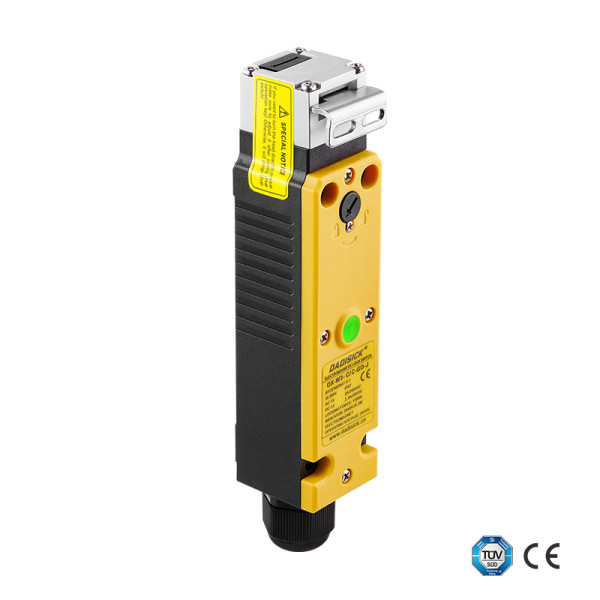
Used for monitoring places such as safety doors and windows.
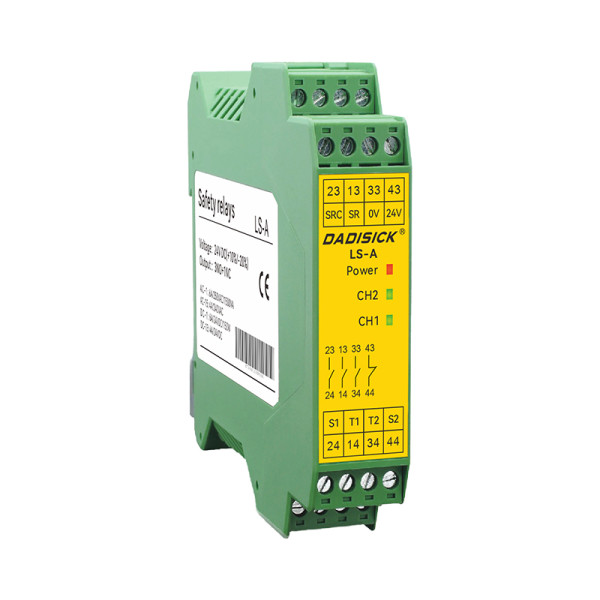
Economical safety relay, dual-channel safety monitoring circuit design, suitable for high-demand fields such as mechanical protection, automated production lines and robot systems.
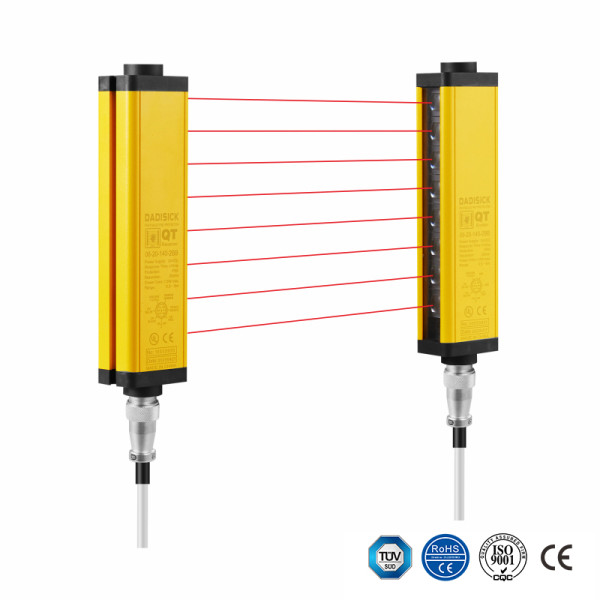
Beam spacing:40mm
Number of optical axes:20
Protection height:760mm
Safety sensors for machines output (OSSD):2 PNP
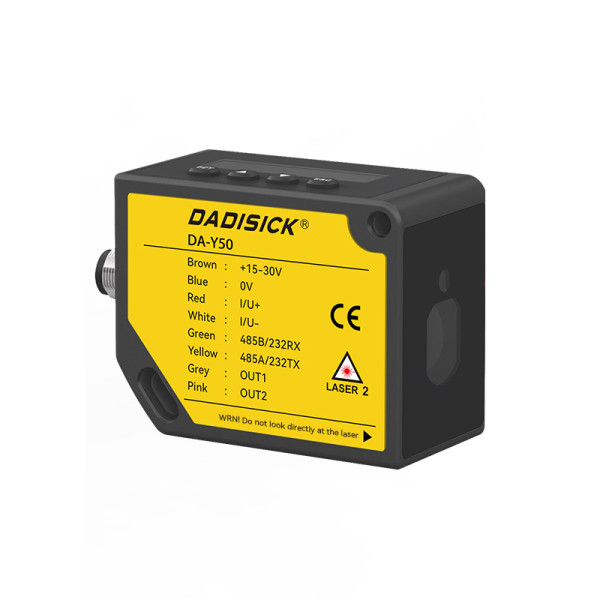
By converting from the laser into electrical signals. determine various characteristics,distance, displacement, or position.
Similar Posts You May Be Interested in